
Biography
Born: 18 June 1880
Died: 4 May 1962
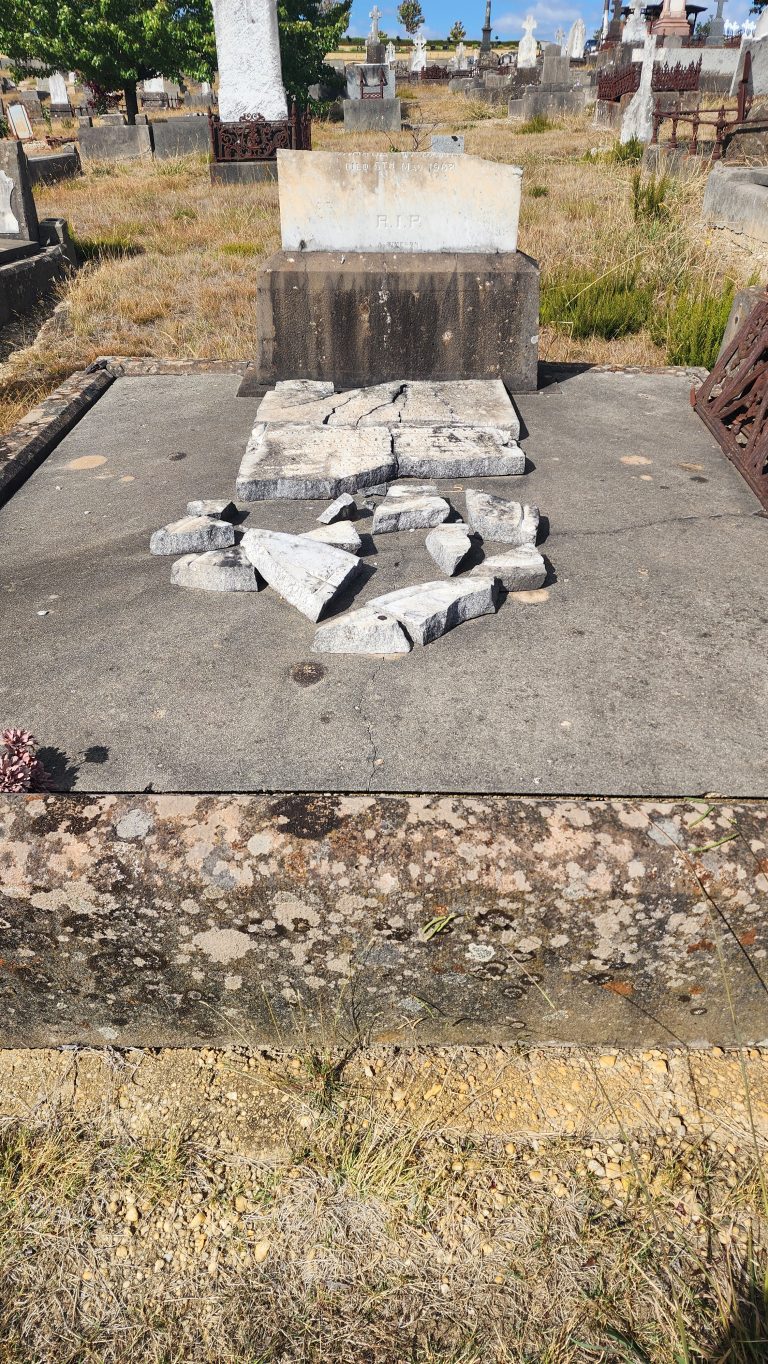
Grave Location: Roman Catholic A, Grave 15
Achievements
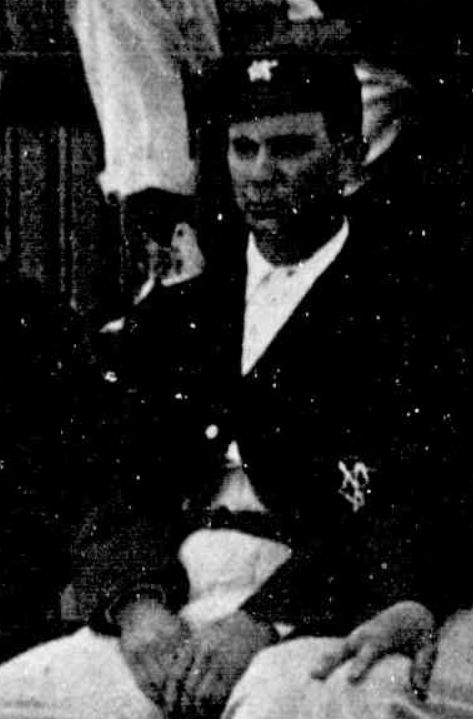
A football recruit from St Patrick’s College, Charlie Baker was one of the shining lights during St Kilda’s dismal early years in the Victorian Football League. Baker made a great impact in the team from the get-go, with his four goals in his debut against Melbourne earning him praise in the papers for being “very clever, fair and fearless”.
In his first season in 1902, he kicked 30 goals – making up nearly half of St Kilda’s 64 goals scored over a winless season – to earn the award for the VFL’s leading goal kicker. Baker played on in the VFL until 1906, having kicked 122 over 76 games and been St Kilda’s leading goal kicker three more times. In 1903, his efforts helped St Kilda escape last place on the ladder for the first time after joining they joined the VFL in 1897.
A prolific scorer in cricket as well, his success as a batsman for the St Kilda cricket club earned him call-ups to represent Victoria in the first-class and against touring nations. Baker also represented Victoria in football.
He is buried in the Roman Catholic section of the cemetery.
Did you Know?
Charles Michael Baker (18 June 1880 – 4 May 1962) was a tramways employee and an Australian rules footballer who played in the Victorian Football League (VFL).
He died at the age of 81, and—as per Roman Catholic custom of the time—was buried in the double sized family plot.
He shares his peaceful memorial with several members of his family, including his father William (1844-1932, aged 88) and his mother Bridget (1848-1920, aged 72) Baker; his infant brother John Joseph Baker (1878-1880, aged 2); his older brother George Thomas Baker (1870-1903, aged 33 – a railway employee who died in an accident at Seymour station; and his sister Cecilia Elizabeth Baker (1886-1960, aged 74, an unmarried teacher).
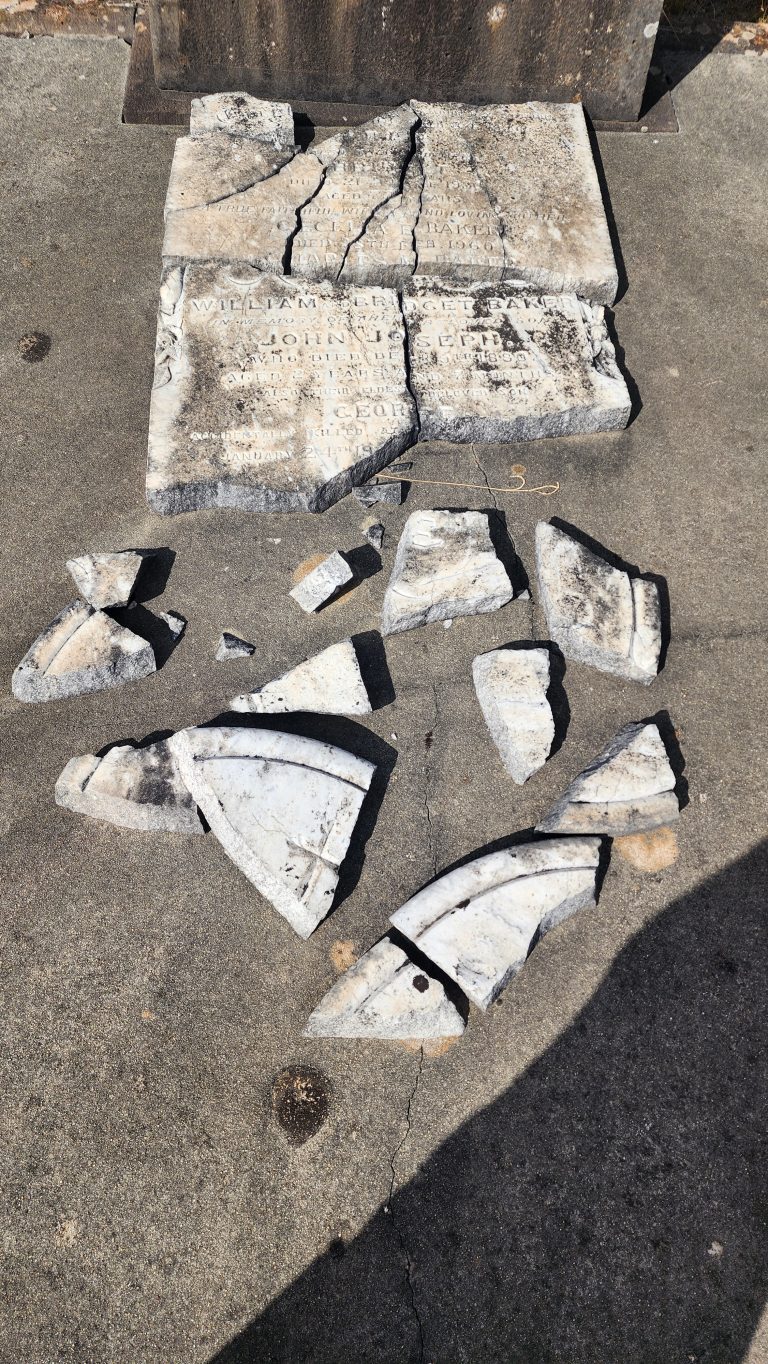
Unfortunately, the marble headstone has toppled at some point, shattering it into smaller pieces. The headstone originally featured beautiful carvings of flowers and foliage at each side; these are still intact on the left side, depicting a tulip and a rose. The tulip symbolises new life, hope, and rebirth, while the rose is an emblem of earthly love.